Antiques Are Meant to Be Lived With: Rediscovering the Warmth and Wisdom of Old Objects
To be honest, I’ve been running this account for seven years now, with over 50,000 followers. Sometimes when I look at the backend data, I feel a bit conflicted.
On one hand, I’m truly grateful that you’ve been here with me all these years—talking about walnuts, Bodhi beads, and all those little things we play with in our hands. On the other hand, I’ve started to realize that our collecting circle can sometimes feel a bit too competitive… and a bit too narrow.
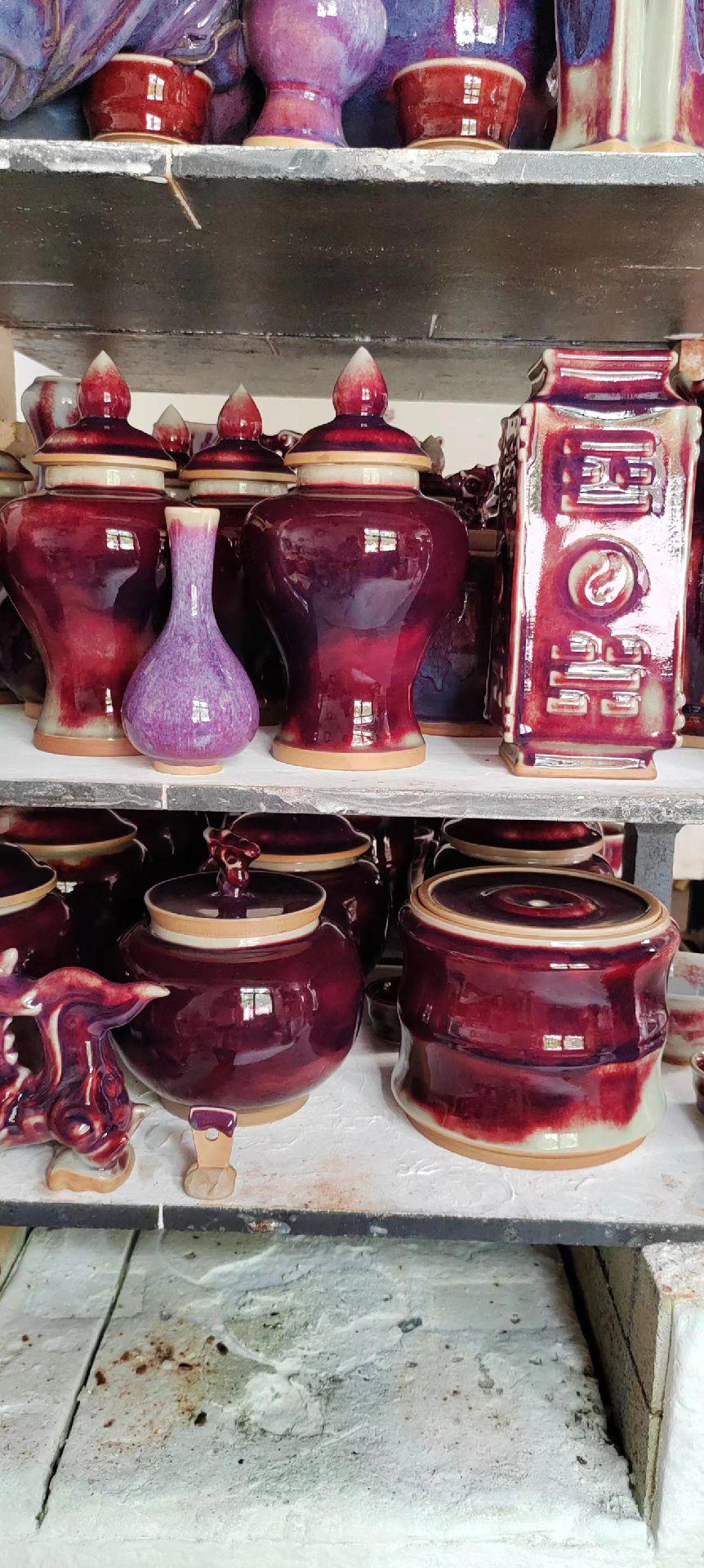
Over the past six months, I’ve found myself spending more time wandering through antique markets. I’m no longer just fixated on a few walnut stalls—I’ve started exploring old furniture, vintage ceramics, and forgotten corners filled with history.
And I’ve noticed something fascinating: many items that people casually dismiss as “old junk” and leave in the corner actually carry a surprisingly sophisticated sense of life wisdom.
So today, let’s not talk about how to polish or evaluate market prices. Let’s talk about something a bit more intangible—about the history and culture behind antiques that we often overlook.
A few days ago, I was having tea at a friend’s house. He brought out a set of Yixing clay teapots that clearly had some age to them.
To be honest, at first glance, they weren’t particularly eye-catching—maybe even a little plain.
The color of the clay was subdued, and the shape wasn’t nearly as flashy as the trendy teapots you see online these days.
But after holding it in my hands for a while, I couldn’t put it down.
That warm, smooth texture… the way it fit perfectly into my palm… it’s something modern, mass-produced products simply can’t replicate.
So I asked him where it came from.
He said it was passed down from his grandfather and had always been treated like a treasure—so much so that he rarely even used it.
I laughed and said, “You’re not ‘nurturing’ the teapot—you’re worshipping it.”
And that’s exactly the problem with antiques: the worst thing you can do is to “put them on a pedestal.”
They were originally everyday objects, created by people in the past to improve their quality of life.
If you lock them away in a glass cabinet, they become lifeless “antiques.” But if you use them, they come alive again.
This brings me to my first point: antiques are not meant to be worshipped—they are meant to be lived with.
Modern life moves too fast.
Every day, our fingers touch nothing but cold glass screens and metal devices.
What we’re missing is warmth.
And that kind of warmth can only come from old objects.
Look at traditional furniture, for example—crafted with mortise-and-tenon joints, without a single nail, yet sturdy enough to last hundreds of years.
Compare that to modern furniture, held together with glue and screws, often falling apart after just a few years.
This isn’t a regression in technology—it’s a shift in mindset.
In the past, people believed that “objects carry meaning.”
A cup, a bowl—each one embodied a philosophy of life.
Take the idea of “tea and Zen as one.”
For ancient people, drinking tea wasn’t just about quenching thirst—it was a form of practice, almost a ritual.
And the tea set was the vessel of that ritual.
So here’s my suggestion: if you have old objects at home, don’t hide them away.
Use them.
Eat from that old bowl. Drink tea from that old pot.
You may find that your life actually begins to slow down.
This brings us to a second level of appreciation: aesthetics.
As collectors, deep down, we all care about beauty.
We just used to focus only on surface texture and patina.
Now, we can broaden our perspective.
Look at the landscapes in ancient paintings. Observe the patterns on bronze vessels.
You’ll realize that ancient aesthetics were, in many ways, ahead of their time.
Take Song Dynasty ceramics, for example—pure minimalism.
No excessive decoration, just simple colors and forms, yet breathtakingly beautiful.
What we call “Nordic style” or “minimalism” today was already perfected centuries ago.
So, coming back to collecting itself—why do we collect?
I used to think it was for appreciation in value, for investment.
Now, I think it’s about inheritance.
Passing down a way of living. Passing down a sense of beauty.
That string of walnuts in your hand isn’t just wood—it holds years of your own time and connects you to the joy people experienced hundreds of years ago.
That’s the power of culture.
It’s like a thread that ties together the past, the present, and the future.
So moving forward, I plan to write more about these things.
About the life wisdom hidden in antiques, and the aesthetic dialogues that transcend time.
I don’t want this account to be just a “how-to” guide for spotting bargains or polishing collectibles.
I want it to become a cultural space—with warmth and perspective.
A place where, in the middle of a fast-paced life, we can all find a reason to slow down.
And perhaps rediscover a sense of cultural confidence.
It may sound like a big idea—but I believe it starts with each of us.
It starts with the old object in your hand.
It starts with the bowl you use for dinner tonight.
So next time you come across an “antique,” don’t rush to ask how much it costs.
Ask yourself instead: Is it beautiful?
Can it help me slow down?
Can it make me feel the warmth of life?
If the answer is yes—then it is truly priceless.