Decoding Emperor Qianlong’s “Confusing” Aesthetic: A Wenwan Veteran’s Take
Decoding Emperor Qianlong’s “Confusing” Aesthetic: A Wenwan Veteran’s Take
To be honest, after years in the wenwan (cultural collectibles) game, I’ve noticed a particularly amusing phenomenon.
Fans often message me: “Bro, why did Emperor Qianlong have such a ‘weird’ sense of aesthetics?”
Mention Qianlong, and everyone pictures “farmhouse kitsch,” oversized flower vases, and the “Porcelain Mother”—thinking this emperor just loved piling on the bright reds, vivid greens, and anything lavish.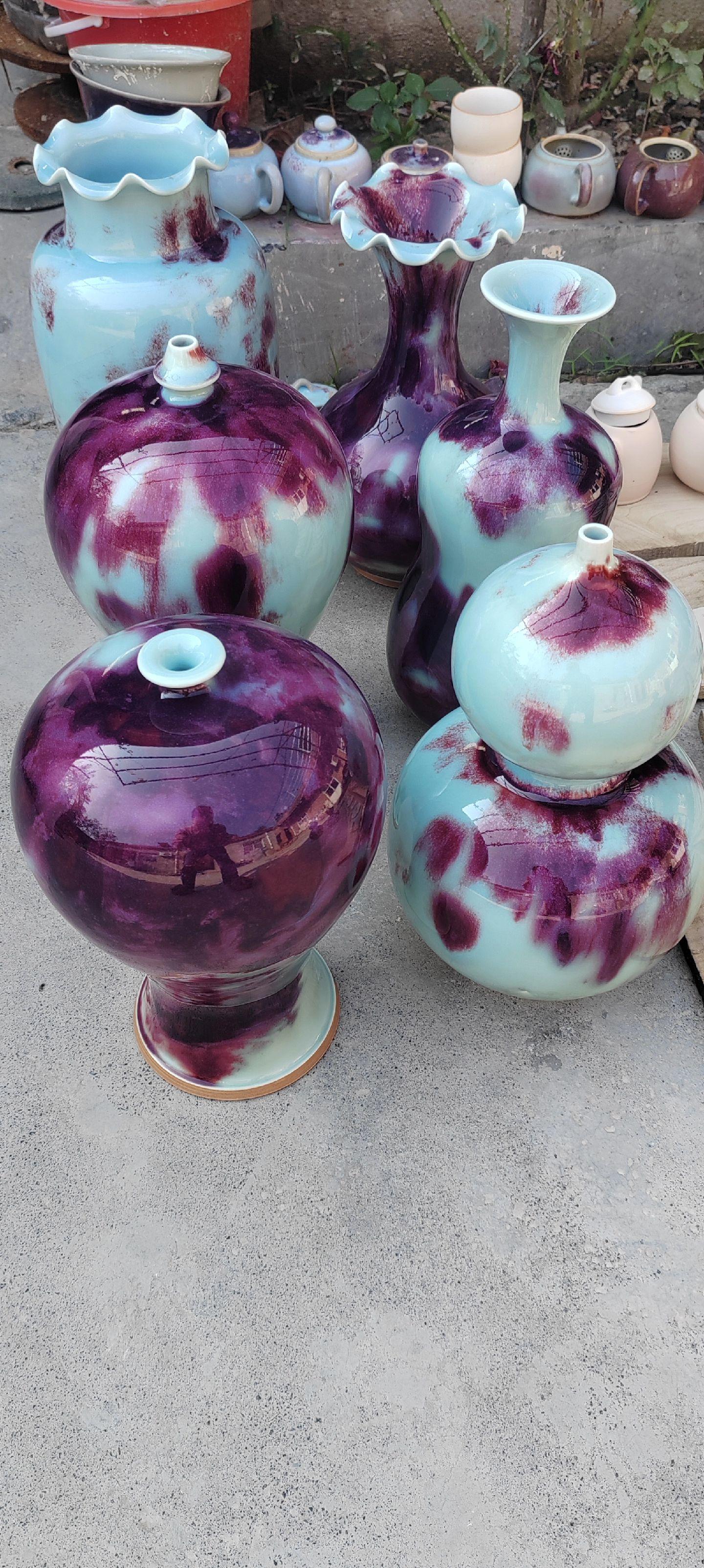
But if that’s your take, you’re dead wrong.
The other day, I was having tea at a collector friend’s place, and there was a faux-antique Duan inkstone on the table. He casually remarked, “If Qianlong saw this, he’d probably compose a poem for it and slap his seal on top.”
That one sentence suddenly made it all click for me.
Emperor Qianlong lived his life in two extremes: one as a “domineering CEO,” demanding everything be the biggest, most complete, and best to flaunt imperial grandeur; the other as a “literary youth,” obsessed with being an elegant literati.
Let’s start with the “domineering” Qianlong.
Check out the archives from the Palace’s Office of Works, and you’ll see his standards for porcelain and jade were sky-high. If he wasn’t satisfied, he’d tear into the pottery supervisors. What did he crave? “Exquisiteness”! “Novelty”! “Ingenuity”!
That’s why we got the “Porcelain Mother,” a single piece combining seventeen glaze colors—a tech flex for its time, like buying the top-spec phone or luxury car today. It represented the pinnacle of that era’s craftsmanship.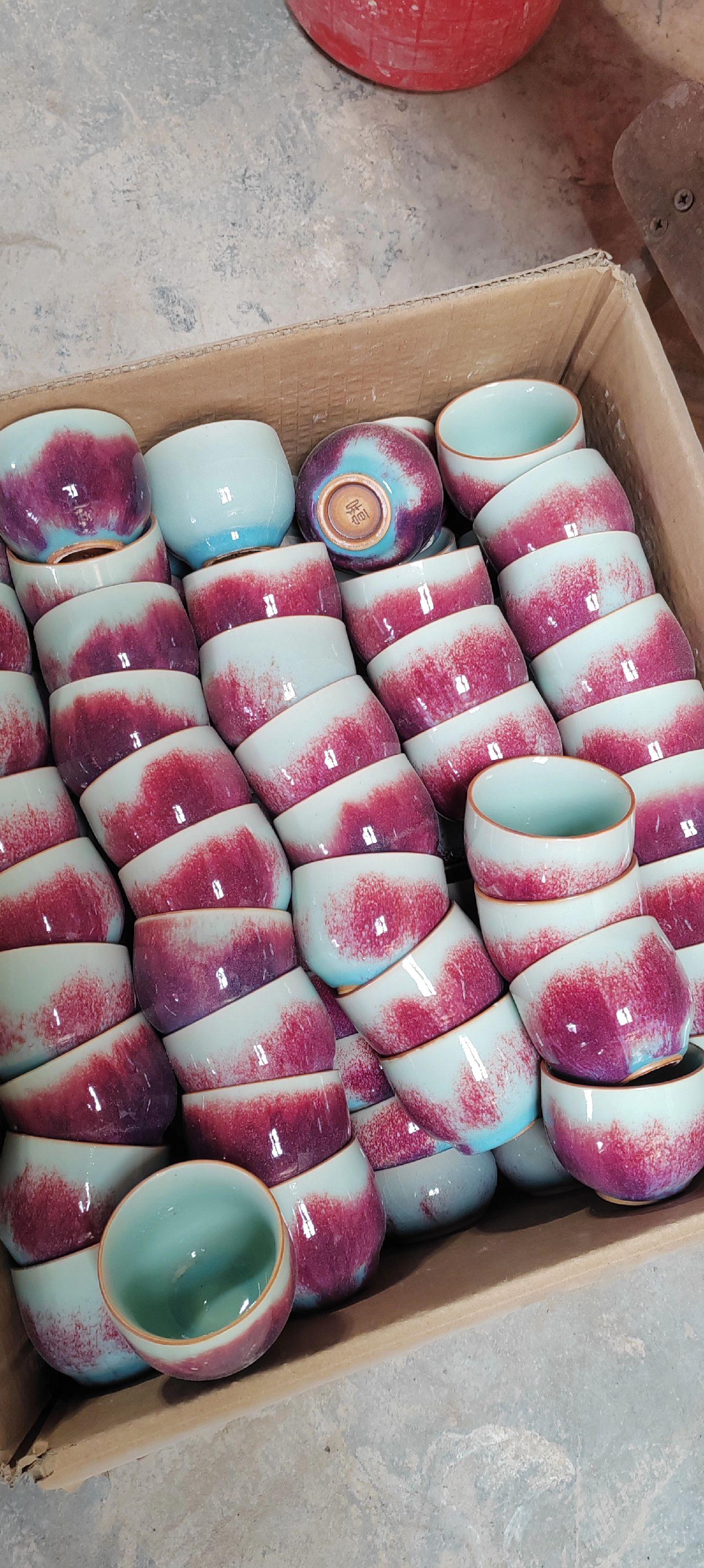
But now, look at the other Qianlong.
Visit the Palace Museum and see his imperial stationery or the paintings he collected. You’ll find he truly appreciated “elegance.”
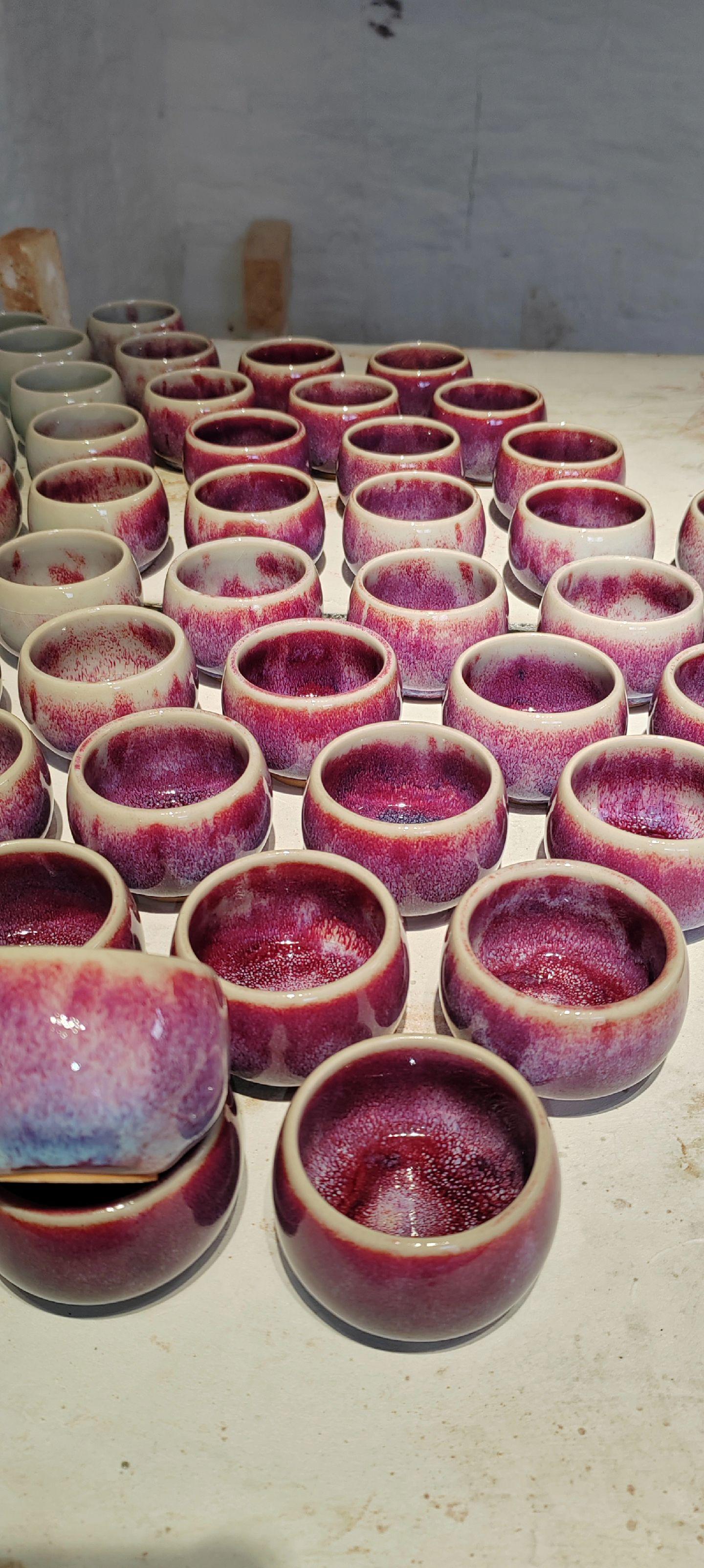
His passion for Song Dynasty porcelain ran deep in his bones—the sky-blue of Ru ware, the powdered blue of Guan ware, with their subtle, restrained beauty. He not only got it but championed it fiercely.
This brings us to a crucial point: why the huge contrast between Qianlong’s “elegant” and “vulgar” tastes?
I think it ties to a deep-seated anxiety.
Qianlong was Manchu, yet he idolized Han culture. He wrote over 40,000 poems in his lifetime (though most... well, you know), and copied countless masters’ calligraphic styles.
He desperately wanted to prove he was a qualified—even the greatest—“literati emperor.”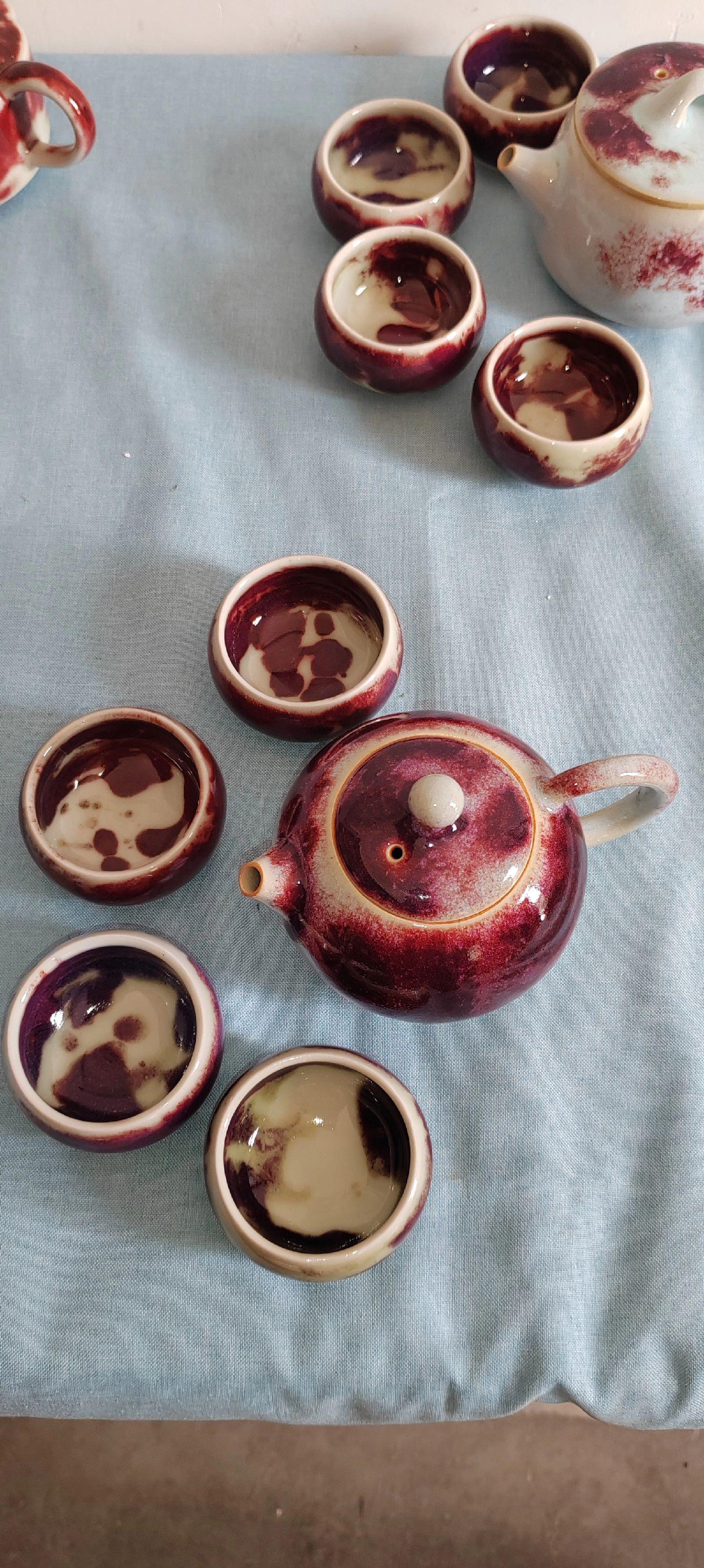
How did he prove it?
First, by collecting: scooping up the world’s finest paintings, antiques, and stamping them with “Qianlong’s Imperial Viewing Seal.” That’s possession.
Second, by (remaking): altering jade pieces to his taste or mounting ancient paintings with opulent silk brocade.
This is just like many newbie collectors today.
When you first get into it, don’t you think bigger is better? More patterns the better? The flashier and more “opulent,” the greater?
That’s plain “insecurity.”
Lacking depth, you prop up the facade with external dazzle. Qianlong was the same—he feared others doubting his grasp of Han culture, so he masked his inner “void” with relentless ornateness.
That said, was Qianlong’s taste utterly worthless?
Absolutely not.
Look at the jade mountains from the Qing palace collections, those intricately carved Hetian jades, with their grand, majestic compositions—that’s the unique aura of the Kangxi-Qianlong prosperous era.
Later emperors like Daoguang or Xianfeng could never pull it off.
So, circling back to wenwan collecting itself.
Qianlong’s biggest lesson for us isn’t to mimic his seal-stamping (don’t— it ruined countless artifacts), but to grasp the logic behind aesthetics.
There are two kinds: “literati aesthetics,” chasing mood, blank space, and subtlety; and “imperial aesthetics,” pursuing power, wealth, and extremes.
For us regular folks collecting, no need for black-and-white judgments.
Love the festive reds and greens of cloisonné enamel? That’s beauty.
Fancy the understated charm of a purple clay teapot? That’s beauty too.
The key is knowing what you like and why.
Don’t let online memes lead you by the nose.
Next time you spot one of Qianlong’s “huge flower vases,” don’t rush to mock it.
Try thinking: was this old man once again trying to edge closer to his ideal of “elegance,” only to overdo it?
That “overkill” is actually pretty endearing—and real.
After all, who hasn’t had a phase of wanting to show off their best stuff?