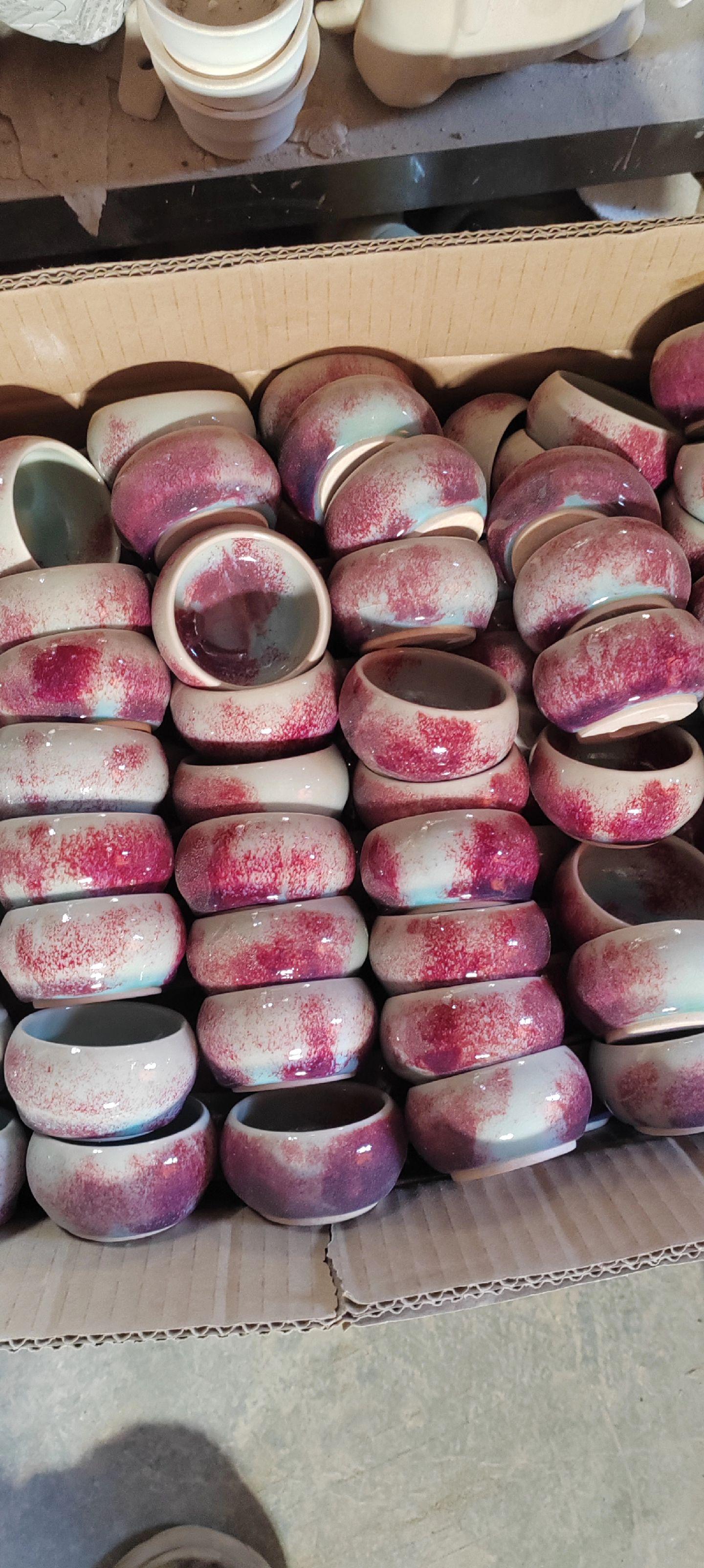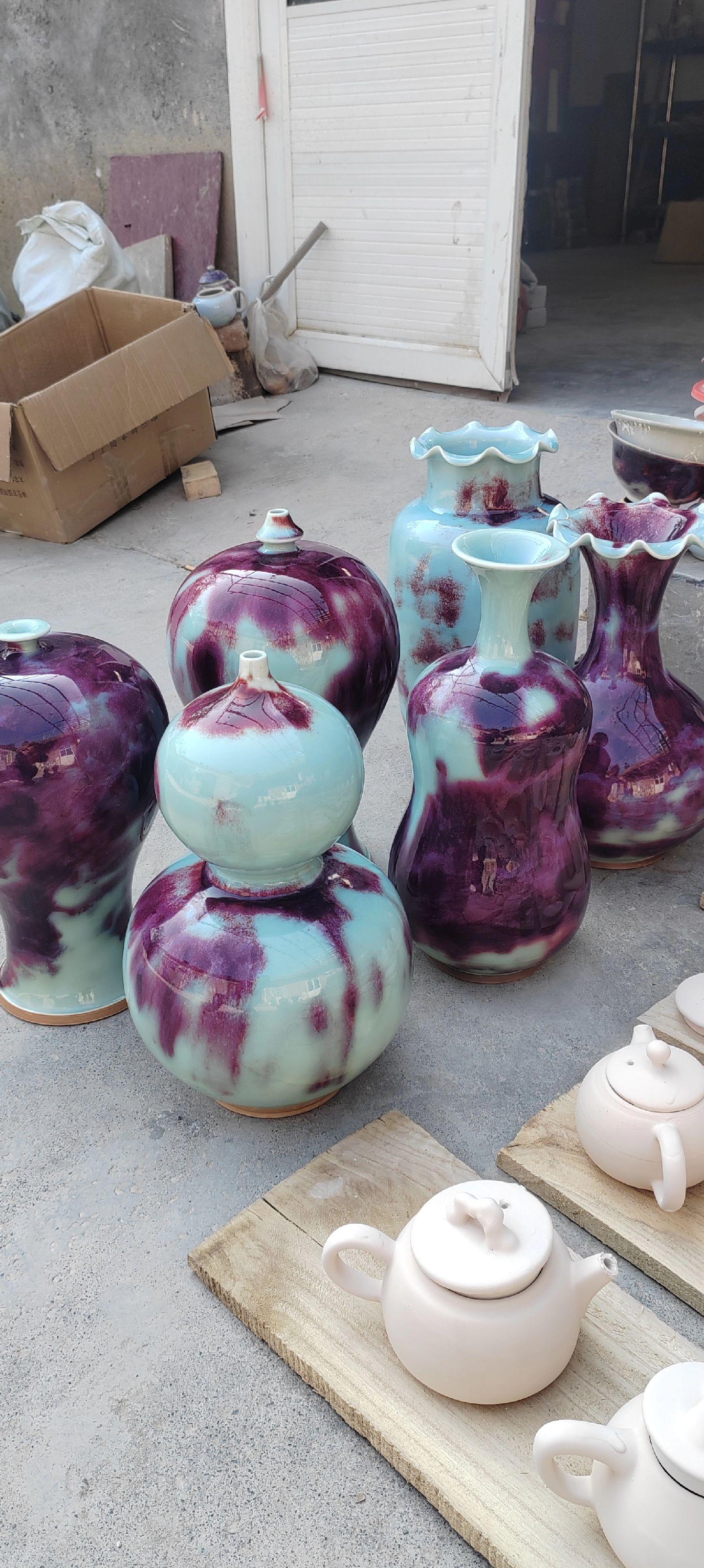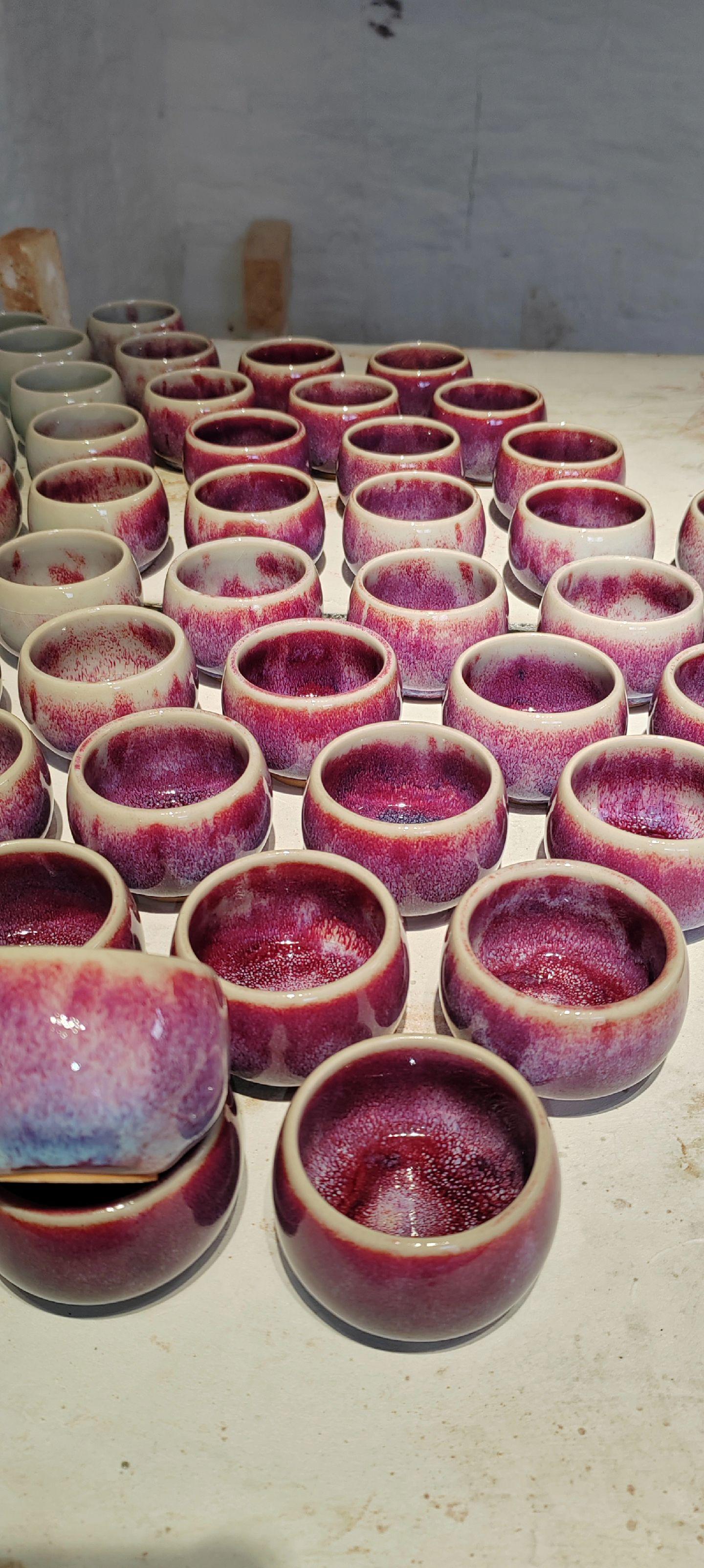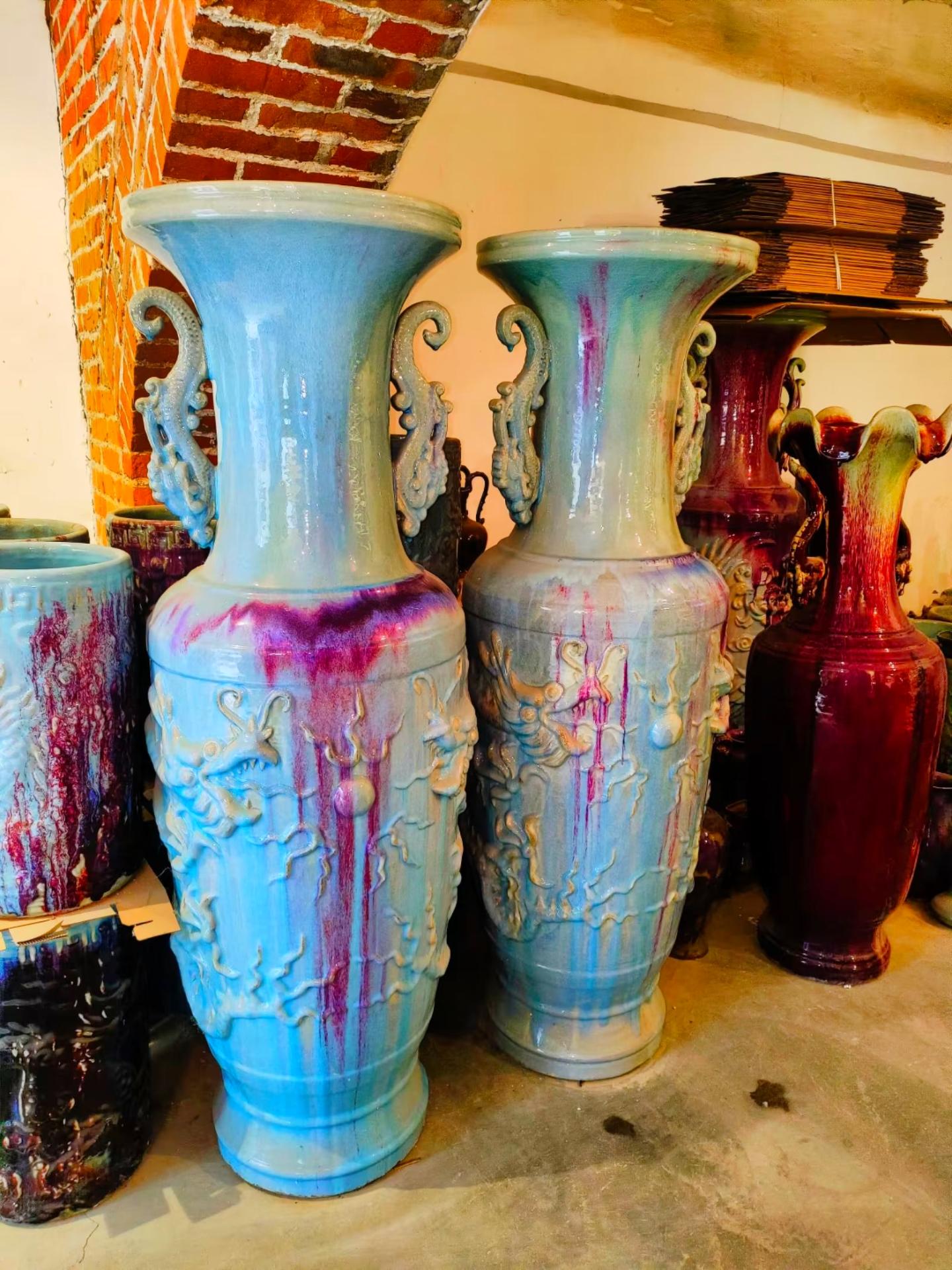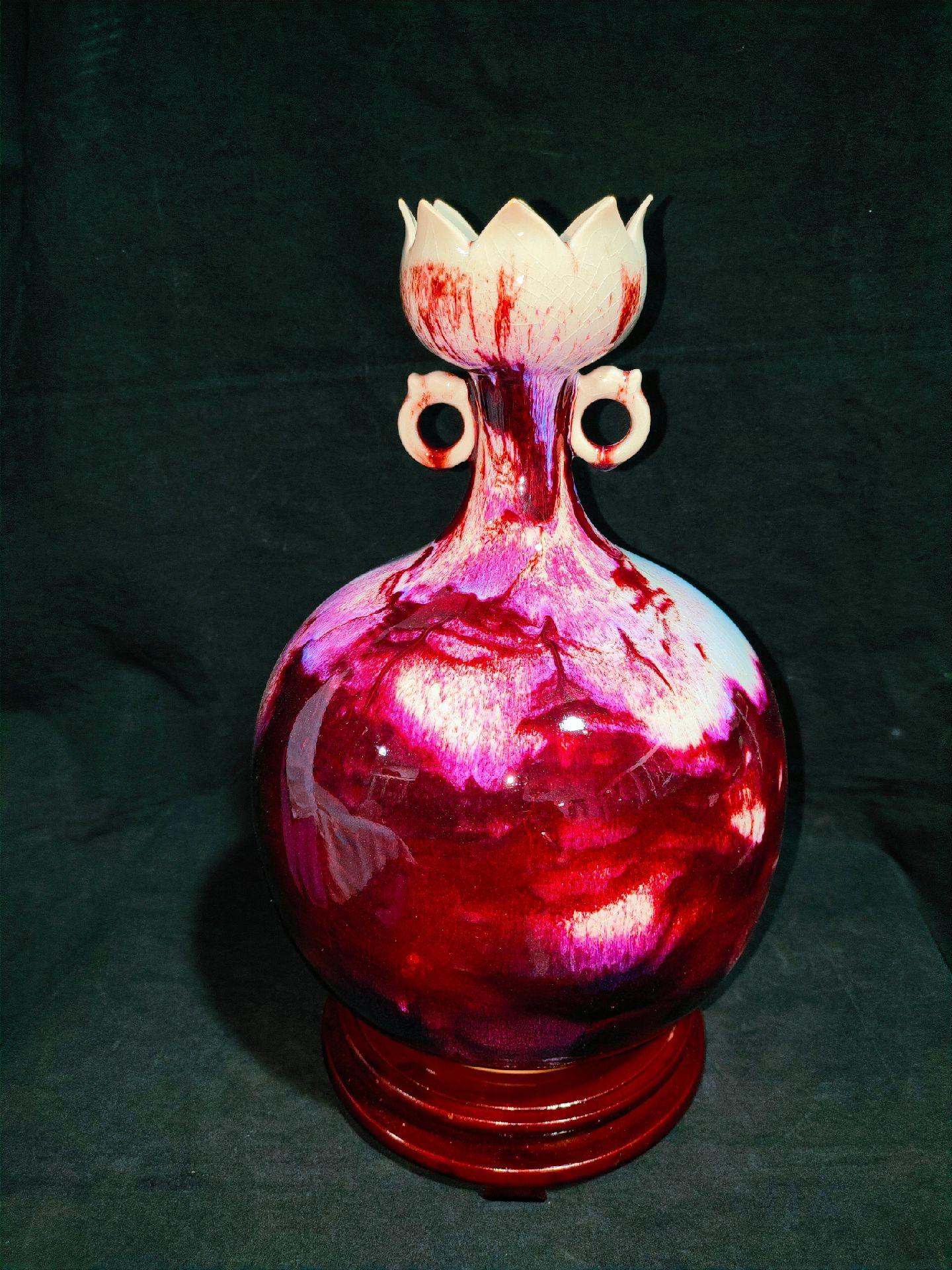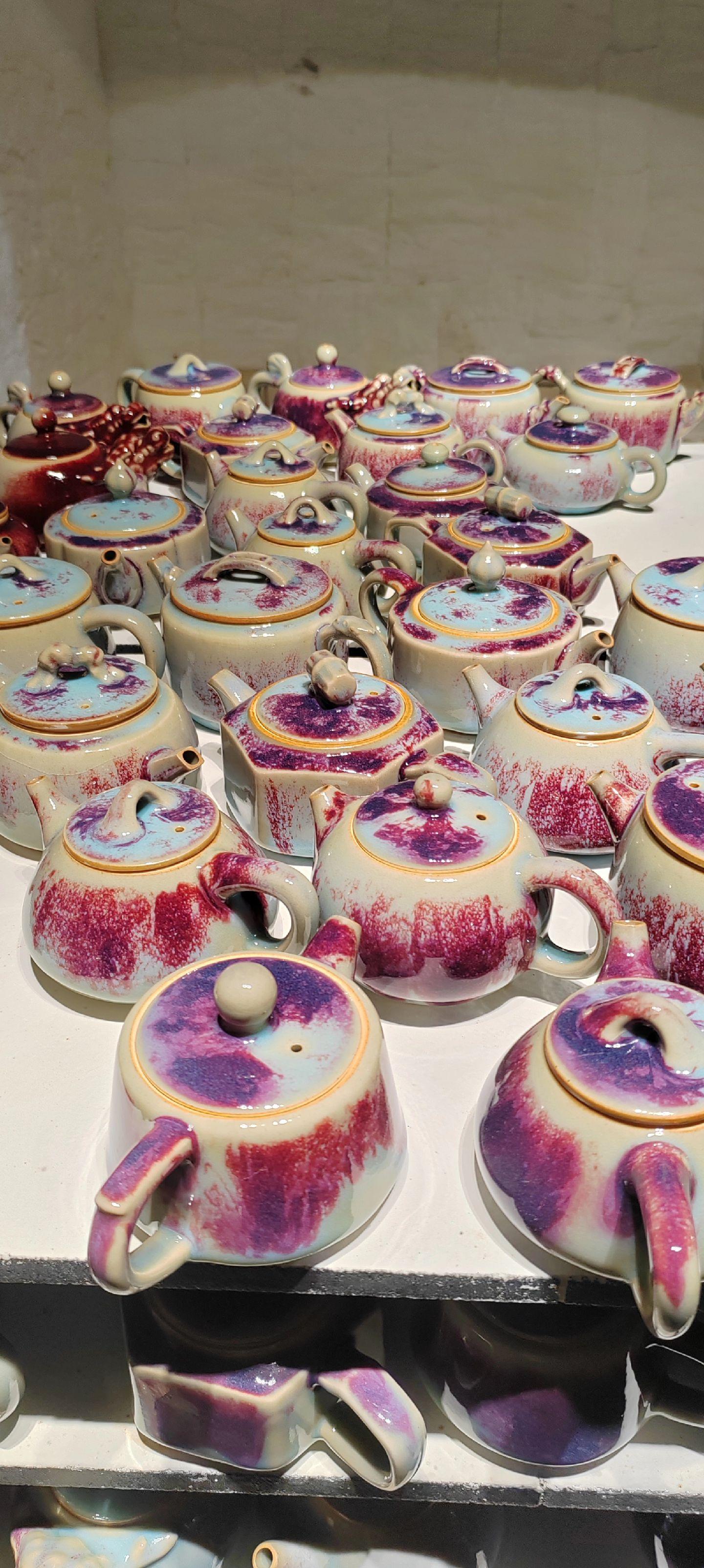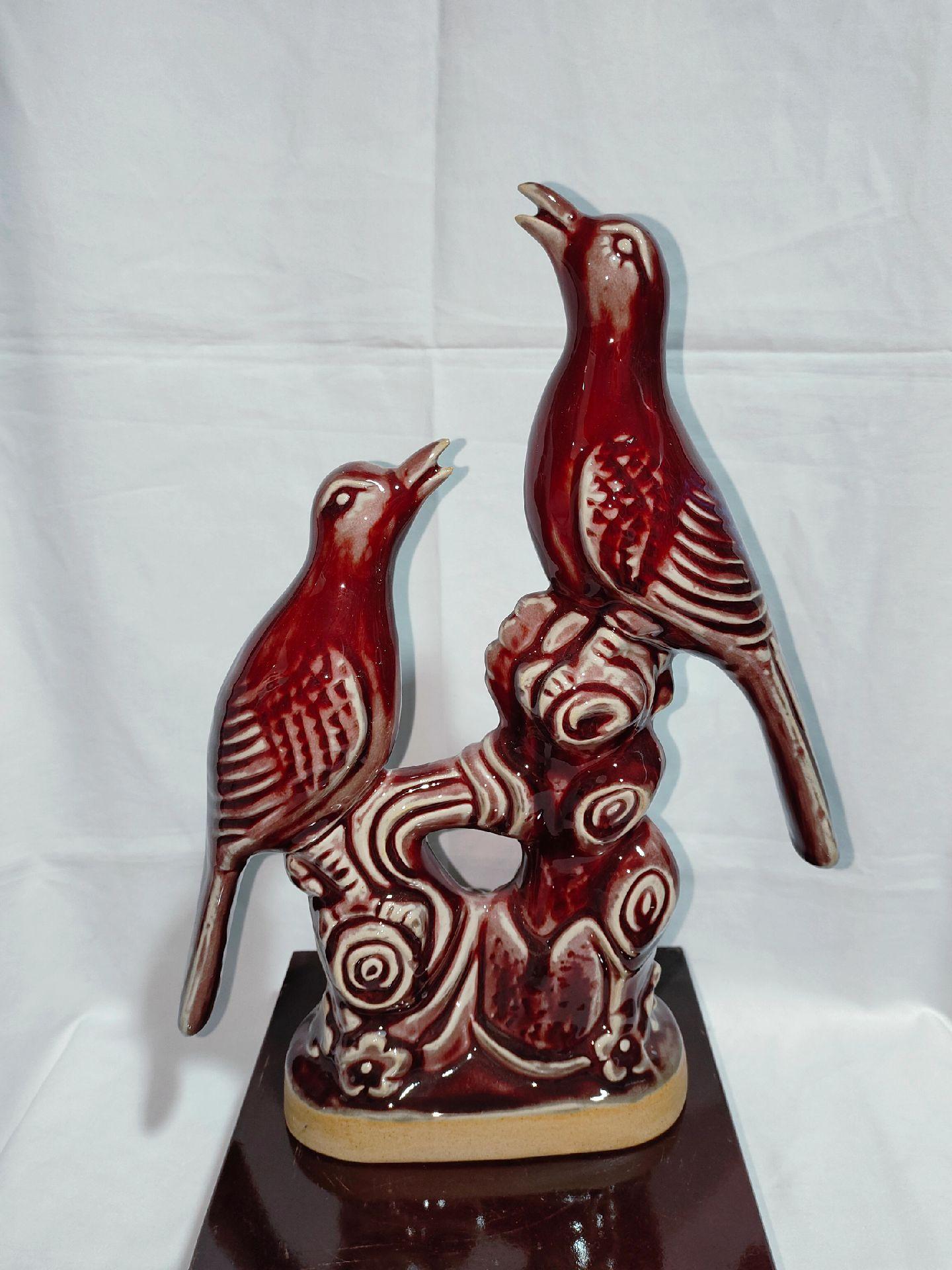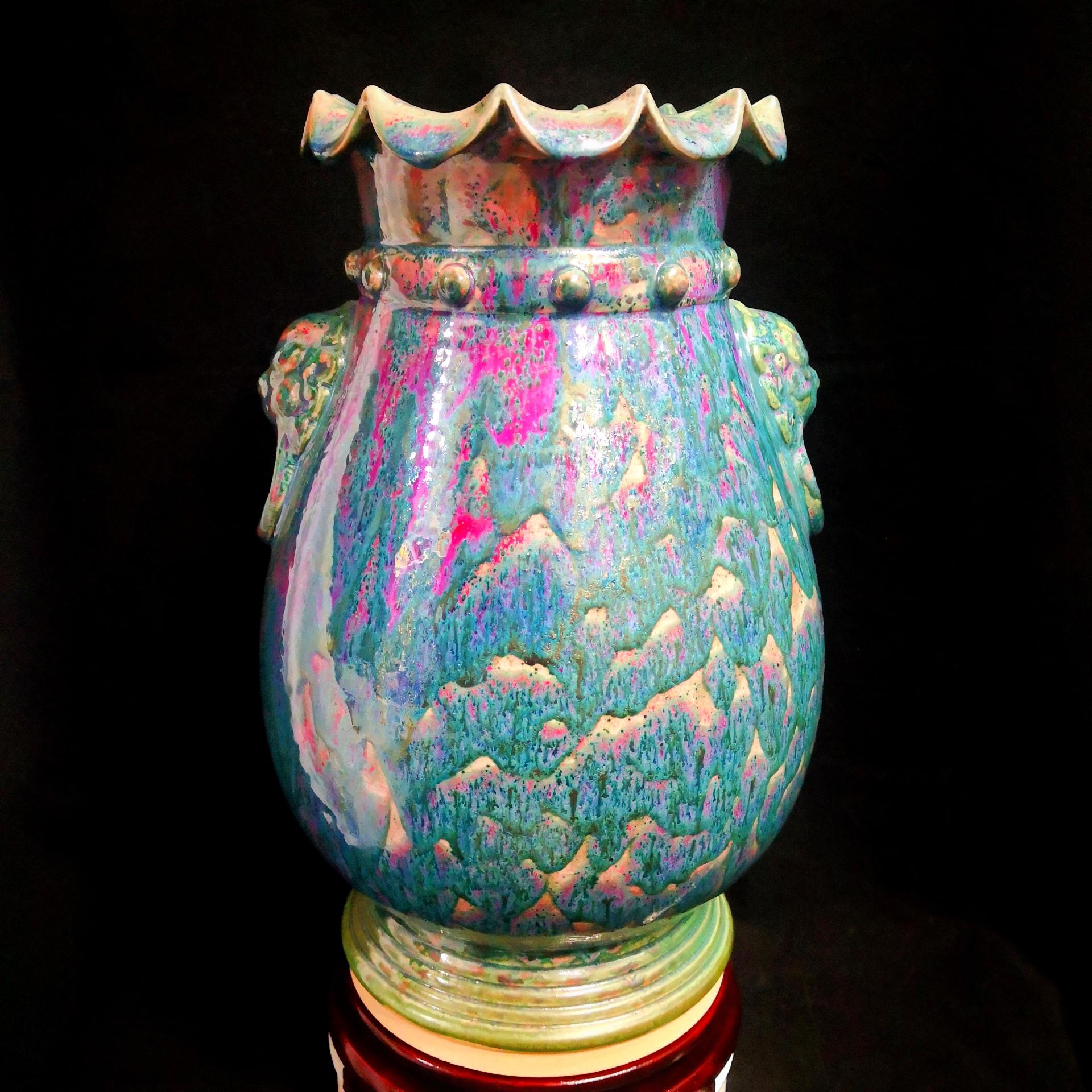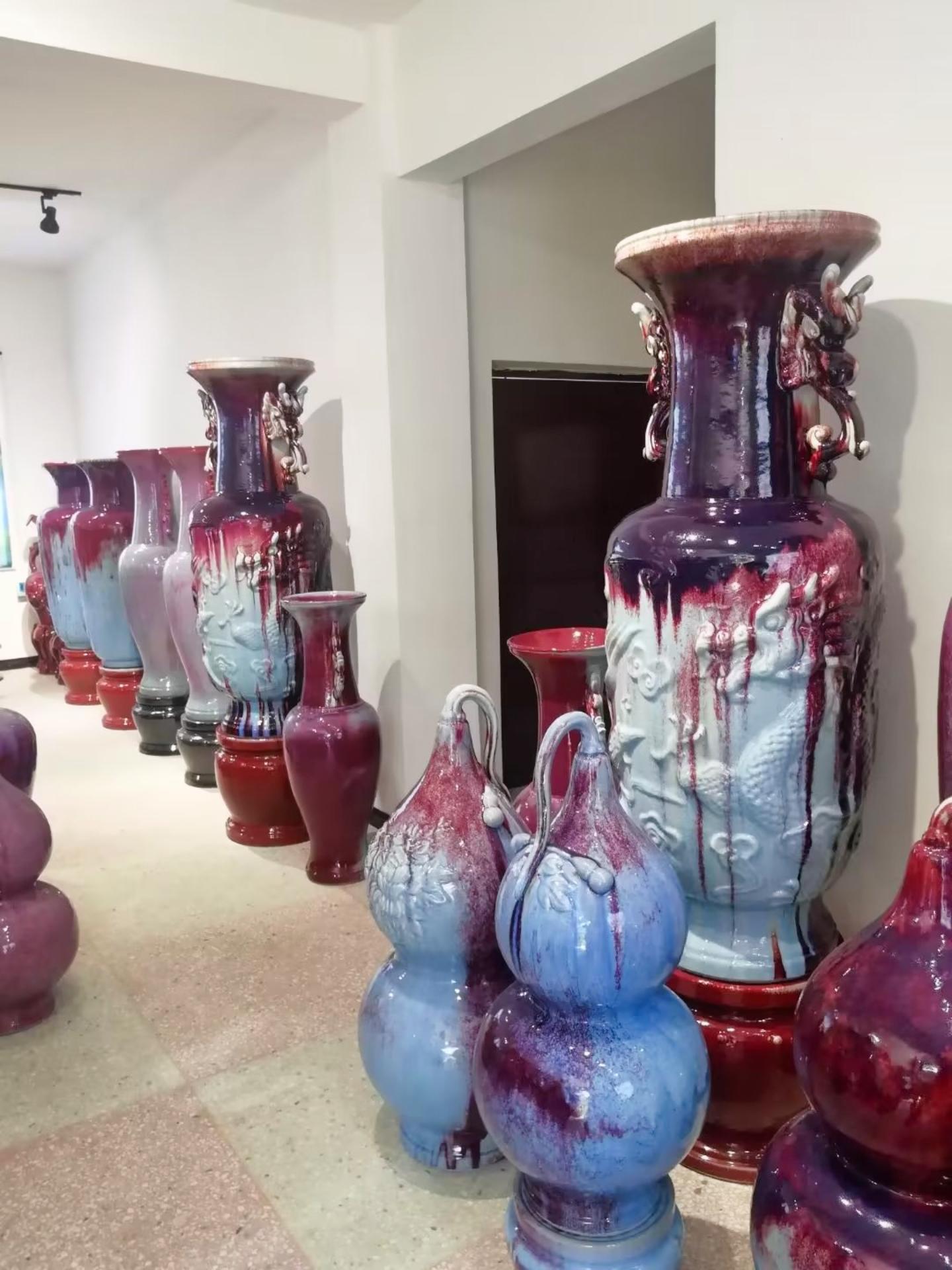
Porcelain Appreciation: Unveiling the Essence of “Aura” in Antiques
Porcelain Appreciation: Unveiling the Essence of “Aura” in Antiques
Hello everyone, it’s your old friend here.
Having been in the world of cultural relics and collectibles for seven years, I’ve noticed a growing number of private messages asking about porcelain lately. Many long-time fans who used to play with prayer beads or walnuts have come to me saying, “Bro, I’m tired of these small trinkets. I want to level up and get into porcelain, but the water’s too deep, and I’m scared to dive in.”
Indeed, porcelain isn’t like walnuts—once they’re polished red, they’re yours. Porcelain is the art of clay and fire, a fragment of history. Many beginners start by examining air bubbles with a magnifying glass or measuring dimensions with calipers, only to end up with a bunch of “national treasures” at home that are nothing but modern crafts with a fake “thief’s shine.”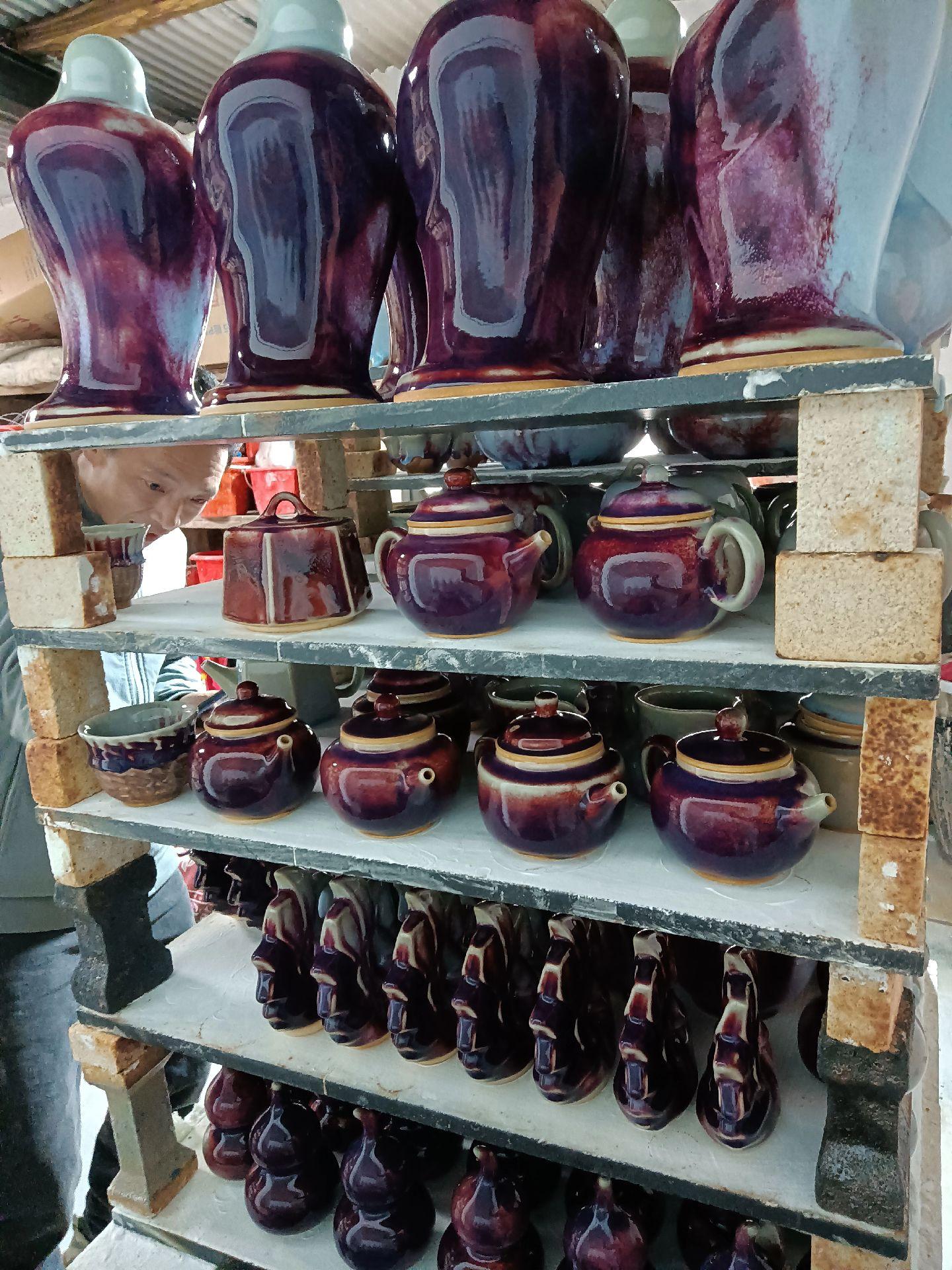
Today, we won’t delve into obscure chemical compositions or thermoluminescence testing. As a seasoned player who’s crossed over from cultural trinkets to porcelain, I want to talk about something mysterious yet fundamental in porcelain appreciation—“aura,” or what we in the trade often call “eye affinity.”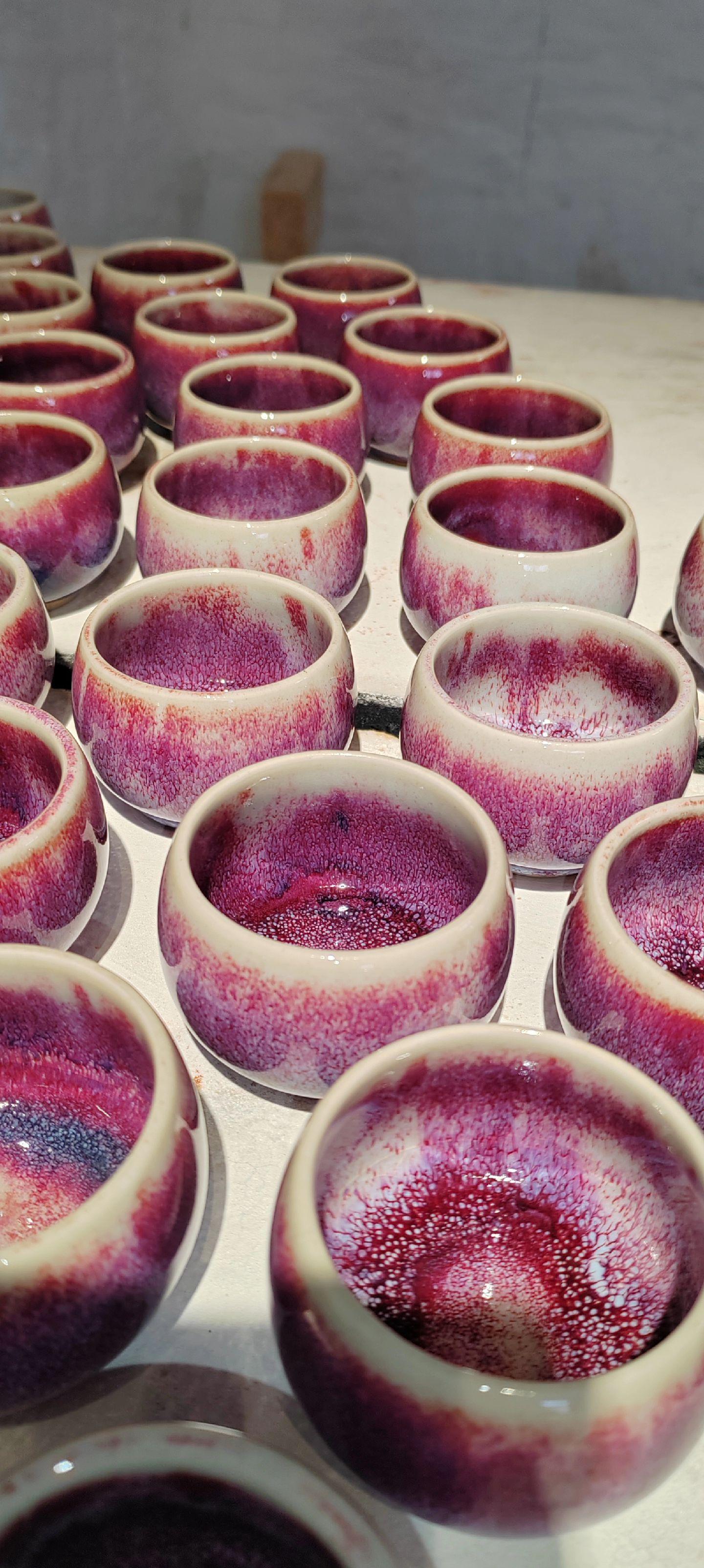
Why Does Your Porcelain Look “Uncomfortable”?
Have you ever felt this way? Some porcelain pieces, when placed on a shelf, just look off no matter how you view them. The glaze is dazzlingly bright, the patterns are intricately drawn, yet they feel “stiff.” On the other hand, some pieces, even if flawed or covered in earthy rust, give you a sense of peace at first glance, radiating a warm, gentle vibe.
This is the difference in “aura.”
Authentic old porcelain, having endured decades or even millennia, has long lost its “fiery energy.” In the trade, we call its subtle glow “treasure light”—a restrained, deep, and warm luster, like the eyes of an elder. In contrast, newly made fakes often have an overly glossy glaze to attract buyers. We call this “thief’s shine”—it’s blinding and restless.
So, the first lesson for beginners isn’t to memorize reign marks or dates but to visit museums and see the real thing, to “sharpen” your eyes. Once you get used to the steady presence of authentic pieces, your body will instinctively reject the superficial aura of fakes.
Don’t Be Fooled by “Perfection”—Flaws Are Proof of Age
Many novices have a misconception that antiques must be flawless. Wrong! Completely wrong!
In porcelain appreciation, perfection often means “fake.”
Think about it: in ancient times, there were no precision-controlled kilns or standardized assembly lines. Craftsmen were human, not machines. So, genuine old porcelain almost always has some “imperfections.” For instance, tiny pinhole-like glaze contractions on the surface, slight impurities in the clay body, or even minor deformations from firing.
These so-called flaws are actually authentic traces of time, like the wrinkles on an old person’s face—each line tells a story.
On the other hand, many modern high-quality fakes are overly polished to achieve so-called “perfection.” Their glaze is as smooth as a mirror, and the clay body is as fine as flour, but they lack the raw, natural texture of old porcelain. Remember this: authentic pieces are imperfect but natural; fakes are perfect but contrived.
Hands-On Tips: Touch, Weigh, Listen
Looking alone isn’t enough; practice makes perfect. If you get the chance to handle a piece, these three tricks can help you filter out 80% of low-end fakes.
Touch the Texture: The glaze of old porcelain feels “oily and smooth” to the touch, like handling an aged piece of jade—slippery but not greasy. New porcelain either feels rough or overly slick like glass, lacking that thick, substantial resistance.
Weigh the Heft: This takes experience. Porcelain from different dynasties has varying clay densities. Generally, old porcelain feels “heavy in hand”—not dead weight, but a solid, grounded heft. If a large-looking vase feels light as a feather, it’s likely a modern piece made with slip-casting techniques.
Listen to the Sound: Gently tap the piece with your finger (be careful not to use too much force). Old porcelain, due to structural changes in the clay body over time, often produces a “metallic chime”—crisp but not shrill, with a lingering resonance. New porcelain, however, tends to sound sharp and short, very “brittle” but lacking depth.
The Essence of Collecting: A Dialogue with the Ancients
Lastly, I want to share a heartfelt thought. When it comes down to it, collecting is about cultivating a state of mind.
When you gaze at a genuine Song Dynasty porcelain piece, you’re not just seeing the glaze or the crackle patterns. You’re seeing the focused eyes of an unknown craftsman by the kiln fire a thousand years ago; you’re feeling the aesthetic sensibilities of scholars and gentlemen from that era.
So, don’t always focus on “scoring a bargain” or striking it rich. The greatest joy in collecting lies in “understanding.” Understand why a piece is shaped the way it is, what the symbolism behind its patterns means, and the resilience it embodies despite centuries of hardship.
If you can sit quietly before a piece of porcelain and feel the “calm energy” it conveys, then congratulations—you’ve stepped through the gateway of collecting.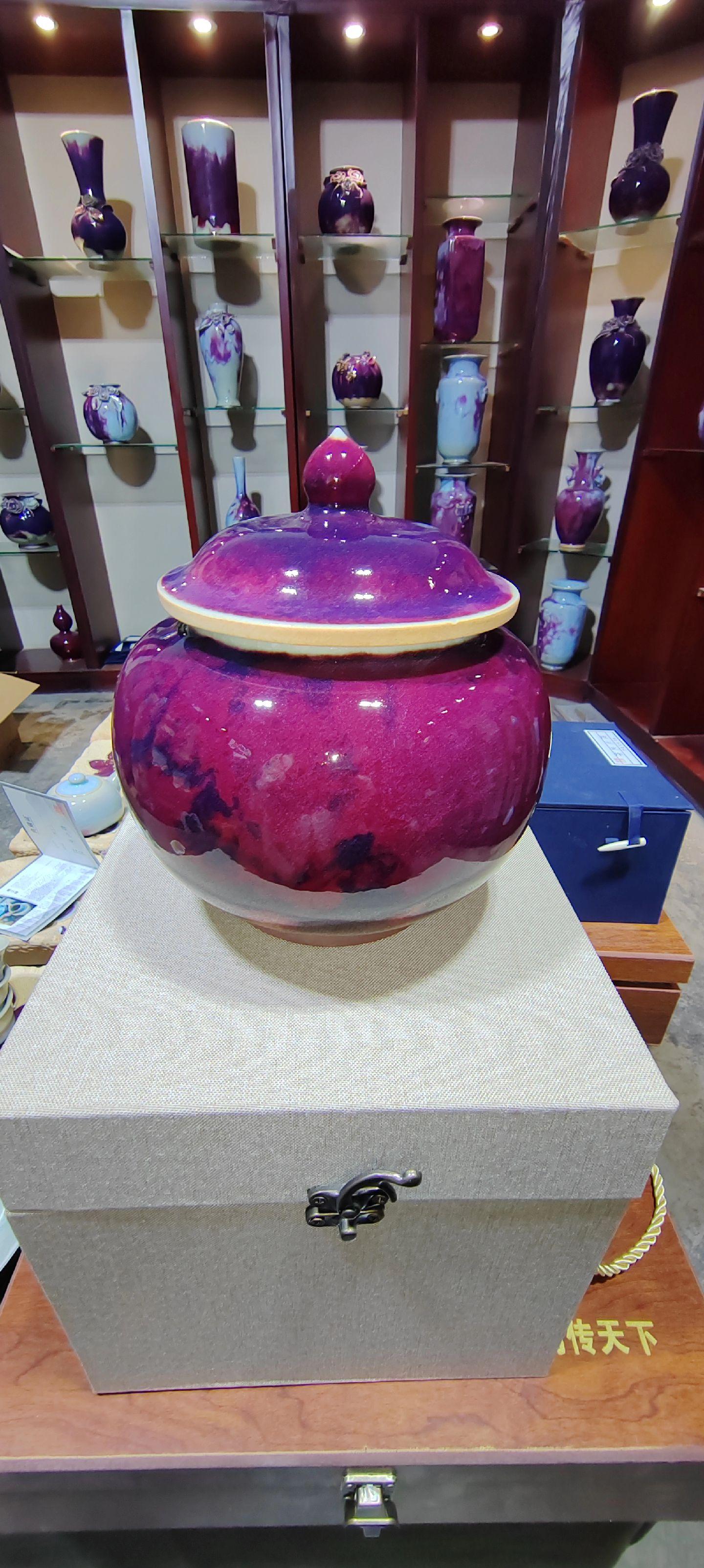
Let’s Chat!
Do you have any old objects that just “feel right” at a glance? Or have you ever bought something that screamed “fake” the moment you saw it? Feel free to share pictures or vent your frustrations in the comments. Let’s talk about it together!